
our approach aimed at maximizing productivity & efficiency.
Human Factors and Usability under EU MDR/IVDR
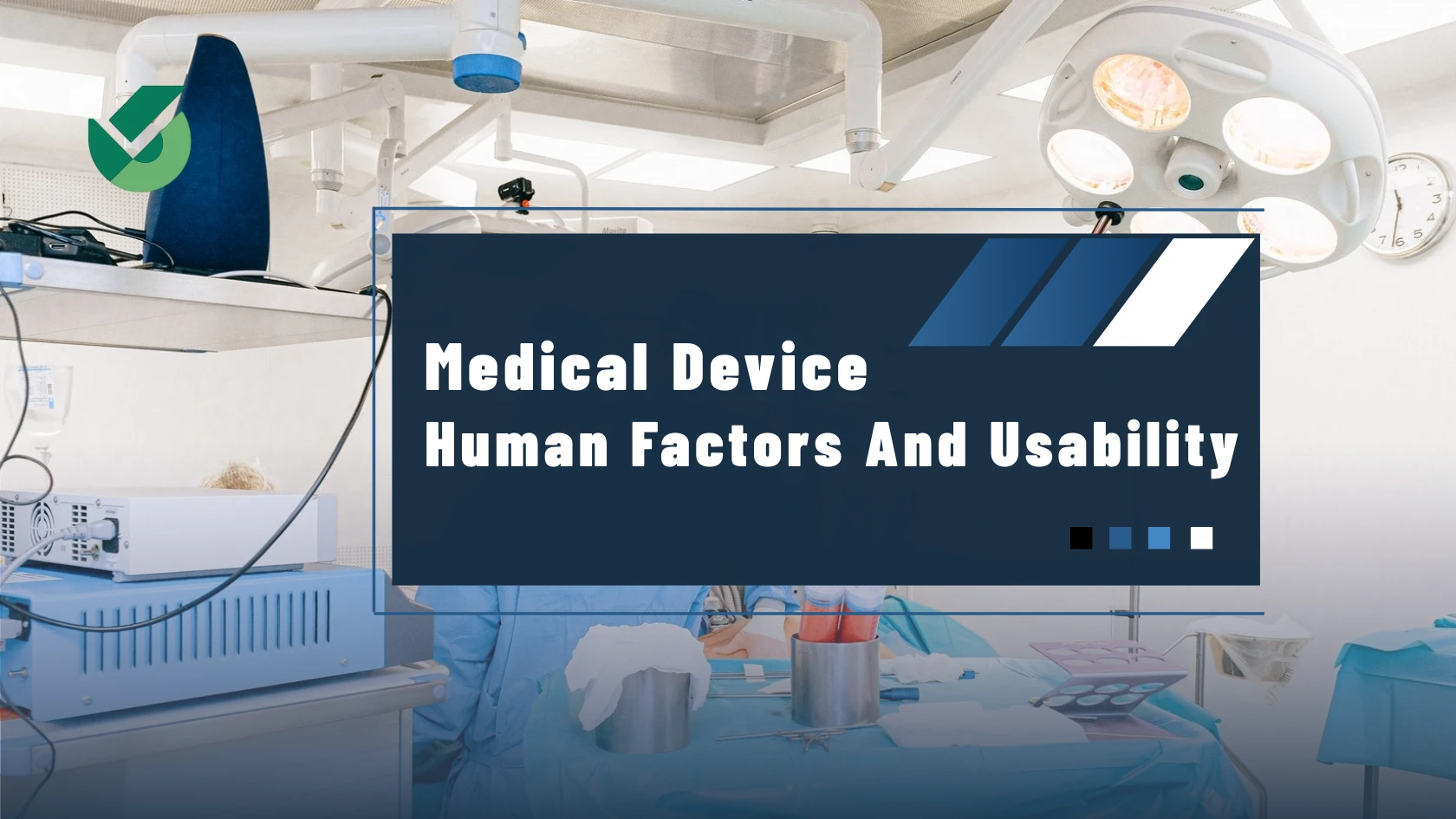
The European Union Medical Device Regulation (EU MDR 2017/745) and the In Vitro Diagnostic Medical Device Regulation (EU IVDR 2017/746) place strong emphasis on human factors and usability engineering as integral parts of device safety and performance. Both regulations recognise that many adverse events and device related incidents are caused not by technical malfunctions but by use errors linked to poor design, unclear instructions, or failure to consider the abilities and limitations of the intended users.
To address this, MDR and IVDR require manufacturers to demonstrate that devices are designed and manufactured in a way that ensures safe, effective, and intuitive use across the full range of intended users whether healthcare professionals, patients, or lay-man and within the environments where the devices will be used, such as hospitals, laboratories, or home settings. These requirements are reflected in the General Safety and Performance Requirements (Annex I) of both regulations, which specifically call for usability considerations in areas like labeling, instructions for use, device interface, and risk control.
Compliance is closely tied to standards such as ISO 62366-1 (Usability Engineering for Medical Devices) and ISO 14971 (Risk Management), ensuring that usability is systematically evaluated throughout design, risk management, and clinical evaluation. For IVDs, usability plays a crucial role in preventing misinterpretation of test results, ensuring that lay users and professionals alike can operate devices correctly and consistently.
In short, under EU MDR and IVDR, human factors and usability are not optional, they are mandatory requirements that must be addressed in the technical documentation, risk management files, and clinical/performance evaluation reports to achieve CE certification.
MDR 2017/745 Requirements on Human Factors & Usability
predictive machines
Fusce dui est ultricies nec ultricies acd porttitor quis tellus ned.
certified factory
Fusce dui est ultricies nec ultricies acd porttitor quis tellus ned.
service related FAQ’s
Yes. Under EU MDR 2017/745, Post Market Clinical Follow Up is a mandatory and ongoing activity for all CE-marked medical devices, regardless of risk class. The extent of PMCF activities may vary depending on the device’s risk profile, clinical history, and available data.
All medical devices sold in England, Scotland, and Wales must be UKCA certified unless CE marked under special transition rules (valid until mid-2028 for some devices)
Based on the number of models and varients the timeline may change. usually the timeline for class B is approx 8-10 montsh and Class D is 14 months.
The 510(k) file includes documents used to establish the safety and efficiency of the proposed medical device through substantial equivalence. The documents included in the 510(k) file are:
- Form FDA 3601: Medical Device User Fee Cover Sheet (MDUFC sheet)
- FDA Form 3514- CDRH Premarket Review Submission Cover Sheet: This document includes basic administrative and device information.
- 510(k) Cover Letter: This document provides a brief idea about the purpose of the submission, device, manufacturer and the U.S agent (if any).
- FDA Form 3881: Indications for Use Statement
- 510(k) Summary or 510(k) Statement: This includes a summary of the device undergoing the 510(k) clearance.
- Truthful & Accuracy Statement: This is to certify that the 510(k) submission contents are truthful and accurate and no information omitted.
- Class III Summary and Certification: If the proposed device is a Class III exempt from PMA, otherwise, this can be marked as not applicable.
- Financial Certification or Disclosure Statement: This is applicable only if clinical studies were conducted
- Declarations of Conformity and Summary Reports: Lists the voluntary consensus standards used and includes DOC to such standards.
- Device Description: This document includes the description of the device design requirements and performance specifications.
- Executive Summary: a brief description of the device & comparison table with the predicate device identified.
- Substantial Equivalence Discussion: Detailed comparison between the proposed device and the predicate device chosen.
- Proposed Labeling: Is discussed in detail to comply with 21 CFR 807.87(e) for general medical devices and 21 CFR 809.10 for IVD’s
- Sterilization and Shelf Life: This document provides details regarding the sterilization and shelf life claim being made.
- Biocompatibility: This document is applicable if the proposed device comes into direct or indirect contact with the human body tissue.
- Software: This includes the documentation for any software used in the proposed device
- Electromagnetic Compatibility and Electrical Safety- If the proposed device is powered electrically, in which case the EMC must be evaluated.
- Performance Testing – Bench: This document included details of the bench tests performed to evaluate the efficiency of the proposed device.
- Performance Testing – Animal: This document included details of the animal testing performed to evaluate the efficiency of the proposed device.
- Performance Testing – Clinical: This document included details of the clinical studies performed to evaluate the efficiency of the proposed device.
The completed FDA 510(k) file is submitted in electronic format as an e-copy to the FDA. The submission package is sent to the CDRH through registered mail or commercial delivery service.
Clinical performance is typically demonstrated through diagnostic sensitivity, diagnostic specificity, positive and negative predictive values, likelihood ratios, and expected values in normal and affected populations.